




Rana Putala is an important traditional cultural dance of Ratuli Village of Doti district, representing the rich folk heritage of Nepal’s Far-Western region. It has been performed for 15 days. i.e Paush 15 to Magh 1. It is a local form of Putala Naach, closely associated with the Rana community and performed mainly by women during festivals, social gatherings, and special community occasions.

Rana Putala reflects emotions of love, sorrow, memory and social values, and is believed to be connected with an old folk story remembered through song and dance. The performance is gentle and expressive, with graceful hand and body movements that symbolize the life and feelings of Putala, while traditional Doteli folk songs are sung collectively.
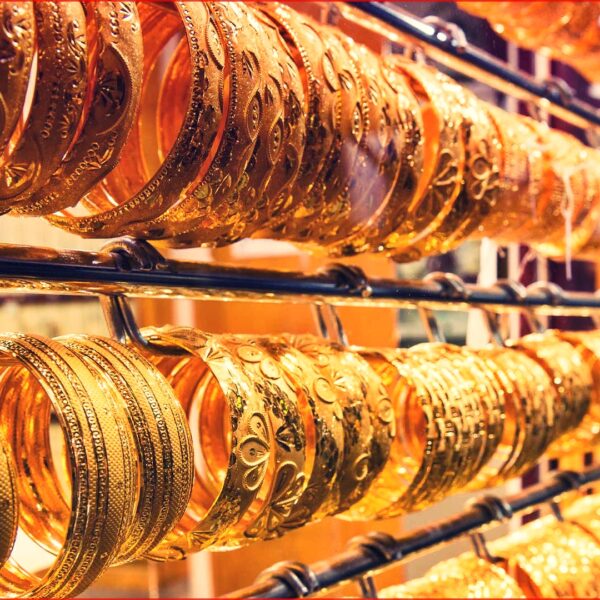
Dancers wear simple traditional attire and ornaments that represent the rural identity of Ratuli village. Rana Putala is not only a form of entertainment but also a living tradition that strengthens community unity and preserves the cultural identity of Doti, passing ancestral knowledge and values from one generation to the next.

The songs used in Rana Putala Naach are usually folk melodies sung in local dialects and revolve around the story’s emotional core remembrance, devotion, societal ties, and sometimes seasonal cycles.
Rana Puta holds an important place in the cultural identity of Ratuli. The name is preserved mainly through oral traditions, folk stories and local narratives passed down from generation to generation. These stories highlight values such as bravery, justice, leadership, and dedication to the community, which are highly respected in the local culture. Rana Puta is often remembered as a symbol of strength and courage, inspiring pride among the people of Doti.

Similarly, the legacy helps keep traditional beliefs and historical awareness alive, especially in rural communities where storytelling plays a major role in cultural preservation. Through his remembrance, the cultural heritage of the far-western region of Nepal is strengthened and respected.
Historically, Rana Puta is regarded as a significant local leader or warrior who played a role in protecting the land and people of Doti during earlier times. He is believed to have contributed to maintaining order and defending the region against threats, which was crucial in a period when local rulers were responsible for governance and security.
Although written historical records about him are limited, his influence is evident in the continued respect for his name in local history. Rana Puta represents the tradition of regional leadership in Doti and helps historians and locals understand the social and political structure of the area in the past.
✍️ Nar Bahadur Bist
Dipayal, Silgadhi Municipality 7, Ratuli Doti